Why Outdoor Adventures Become Lifelong Family Rituals
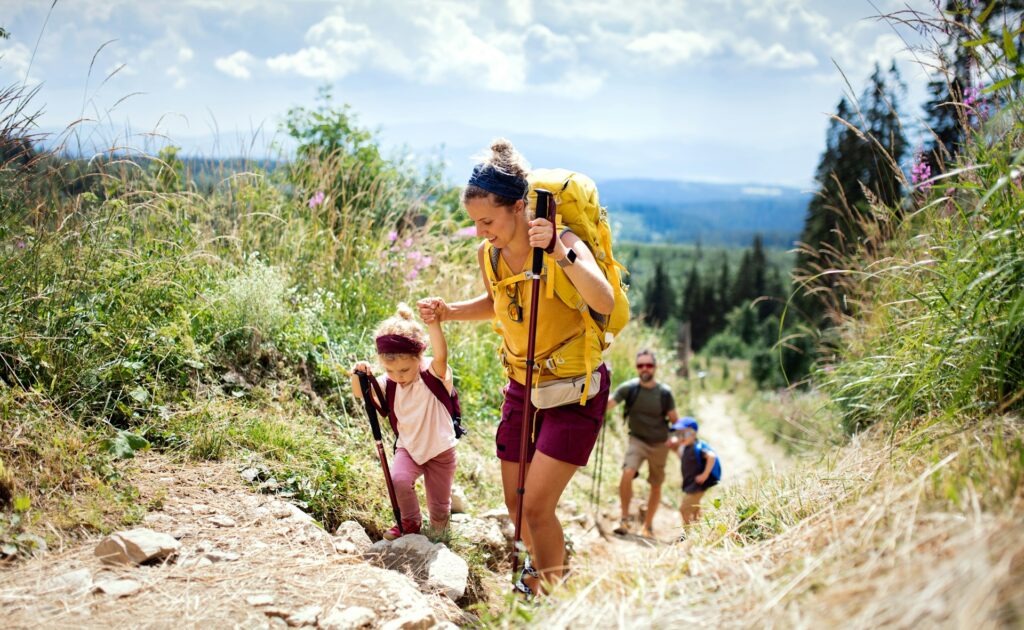
Outdoor adventures provide families with valuable opportunities to connect, explore nature, and create meaningful memories. Whether hiking through forests, camping beside lakes, or exploring mountain trails, these experiences strengthen relationships through shared activities. Moreover, spending time outdoors allows family members to escape daily distractions and focus on one another. As these adventures become regular activities, they often develop into meaningful traditions that continue across generations.
Families frequently return to favorite outdoor destinations because they associate these places with happiness, discovery, and togetherness. Familiar activities such as preparing meals outdoors, sharing stories, and exploring natural landscapes also create lasting emotional connections. Over time, these shared experiences become part of family history and encourage future generations to keep similar traditions.
Creating Meaningful Connections Through Shared Experiences
Outdoor adventures encourage families to spend quality time together while participating in enjoyable activities. Unlike daily routines filled with work, school, and technology, outdoor trips create opportunities for meaningful conversations. For example, families can enjoy nature walks, explore scenic trails, or prepare meals around a campsite. These simple experiences strengthen relationships and help family members appreciate their time together.
Outdoor activities also encourage teamwork and communication. Family members often cooperate when setting up tents, planning hiking routes, or organizing recreational activities. As a result, children learn valuable lessons about responsibility, patience, and cooperation. These shared experiences gradually become familiar family rituals that everyone anticipates with excitement.
Building Childhood Memories That Inspire Future Traditions
Childhood outdoor adventures often create memories that remain meaningful throughout adulthood. Exploring unfamiliar landscapes, observing wildlife, and discovering hidden trails can inspire curiosity and excitement. Moreover, children often remember the smaller moments, such as watching sunsets, listening to nighttime sounds, or enjoying breakfast outdoors. These experiences build positive emotional connections with nature and family life.
As children become adults, they may wish to recreate the activities they enjoyed during their early years. For instance, someone who spent summers camping with grandparents might take their own children on similar trips. As a result, outdoor traditions continue naturally as each generation shares familiar experiences while creating new memories.
Developing Family Rituals Around Favorite Destinations
Many families develop strong attachments to particular outdoor destinations. Whether they visit mountain campgrounds, coastal parks, or peaceful lakeside retreats, familiar locations create comfort and a sense of belonging. Returning to the same destination also lets families notice seasonal changes and revisit places tied to past adventures.
Over time, these recurring visits often include special family rituals. Some families begin each morning with a nature walk, while others enjoy evening campfires or traditional outdoor meals. Annual photographs and shared stories also help preserve memories from each visit. These familiar routines turn ordinary outdoor activities into meaningful family customs.
Teaching Valuable Life Skills Through Outdoor Recreation
Outdoor adventures offer practical learning opportunities that traditional indoor activities may not. Children can build problem-solving skills while navigating trails, packing camping gear, or adjusting plans as the weather changes. Moreover, outdoor recreation encourages independence because young participants learn to make responsible decisions under adult guidance.
Parents and grandparents also use outdoor experiences to pass along valuable knowledge. For example, they can teach younger family members how to identify trail markers, respect wildlife, and follow basic outdoor safety practices. As a result, children gain confidence while developing an appreciation for practical skills. These lessons often become part of family traditions as knowledge passes between generations.
Encouraging Appreciation for Nature and Environmental Care
Spending time outdoors helps families develop stronger connections with natural environments. Walking through forests, exploring rivers, and observing wildlife introduce children to the natural world’s diversity. Furthermore, firsthand experiences encourage curiosity about ecosystems, seasonal changes, and conservation. These moments can inspire a lifelong appreciation for outdoor recreation.
Additionally, family adventures create opportunities to teach environmental responsibility. Parents can demonstrate proper waste disposal, responsible campsite practices, and respect for protected habitats. By following Leave No Trace principles, families help preserve natural spaces for future visitors. As a result, children learn that enjoying nature also means protecting its beauty and resources.
Adapting Outdoor Traditions as Families Grow
Family outdoor rituals often change as children grow older and family circumstances evolve. Activities that once involved short nature walks may eventually include longer hikes, kayaking trips, or more challenging camping experiences. However, the central purpose remains the same because families continue seeking opportunities to connect through shared adventures.
Moreover, flexibility allows families to maintain traditions despite changing schedules and physical abilities. Some generations may prefer traditional tent camping, while others enjoy cabins, accessible trails, or relaxed picnics. As a result, outdoor experiences remain welcoming to family members of different ages and interests. These adjustments help familiar rituals survive changing lifestyles.
Preserving Family Stories Through Outdoor Experiences
Every outdoor adventure creates stories that families can share for years. Unexpected weather, exciting wildlife sightings, and memorable hikes often become favorite topics at family gatherings. Photographs, journals, and shared memories also help preserve these moments as part of a family’s personal history.
As younger generations hear stories about earlier adventures, they develop connections with experiences that happened before they were born. For example, grandparents may describe childhood camping trips while explaining how family traditions began. As a result, storytelling strengthens generational bonds and encourages younger relatives to join future outdoor activities.
Why Outdoor Family Rituals Continue to Matter
Outdoor adventures remain meaningful because they combine recreation, personal growth, and lasting family connections. Regular trips encourage communication, strengthen relationships, and create opportunities to appreciate natural surroundings. Moreover, these experiences provide a welcome break from demanding schedules while helping families focus on shared values.
Ultimately, outdoor adventures become lifelong family rituals because their emotional value grows with each generation. Children carry treasured memories into adulthood and often recreate similar experiences with their own families. Through familiar destinations, shared activities, and meaningful traditions, outdoor recreation becomes more than an occasional pastime. It creates a lasting family legacy built around togetherness, discovery, and appreciation for nature.
Additional Information
- Blog
- mountain campgrounds, personal growth, strengthen relationships
- Anton Ditchev Attorney